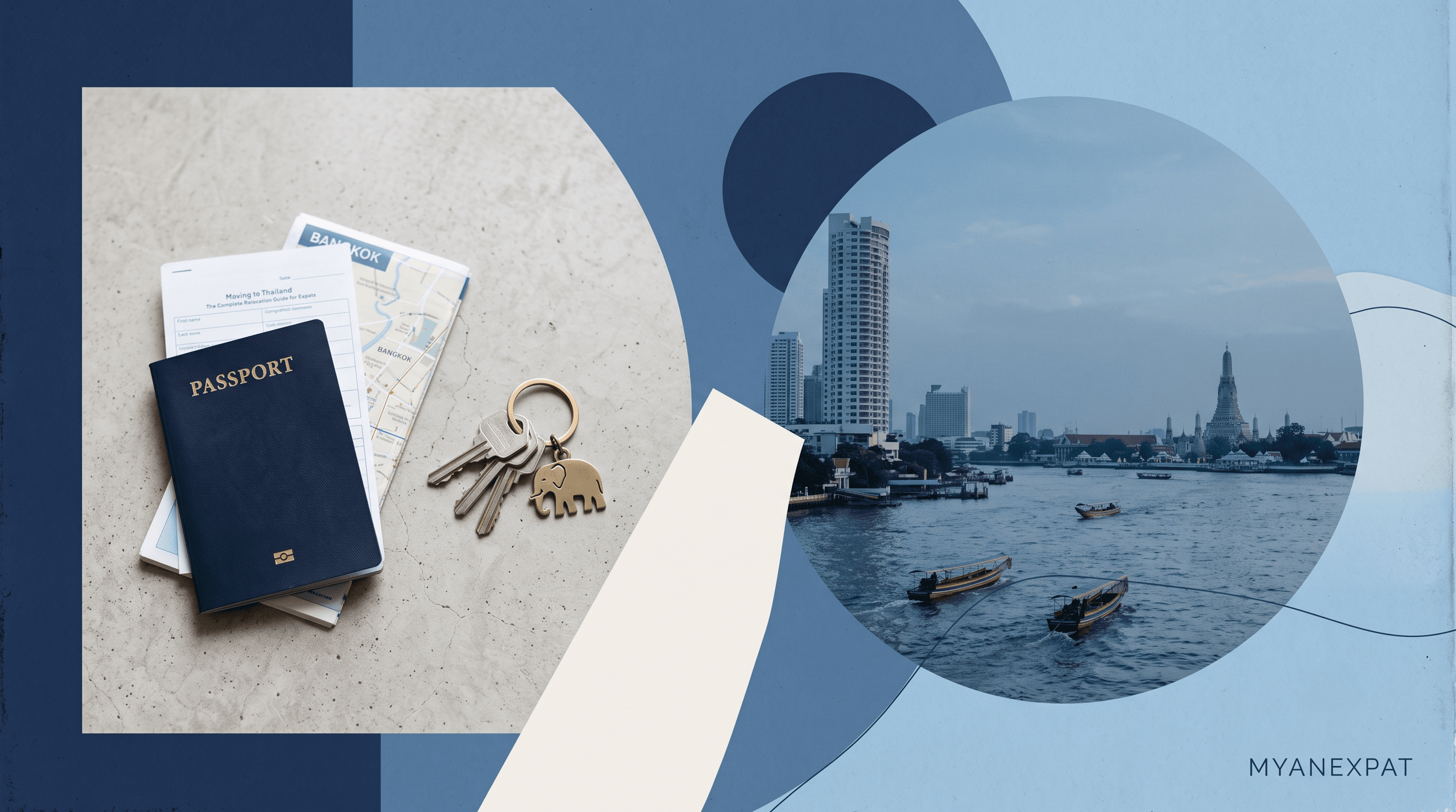

Moving to Thailand is a dream for countless expatriates drawn to the country’s vibrant culture, affordable cost of living, and stunning landscapes. Whether you are retiring, seeking a digital nomad lifestyle, or advancing your career in Bangkok, relocating to Southeast Asia offers an incredible adventure. However, turning a vacation destination into a permanent home requires serious preparation. Adapting to a new legal system, understanding foreign property laws, and navigating the local bureaucracy can quickly become overwhelming without a clear plan. This comprehensive guide breaks down everything you need to know about moving to Thailand, from securing the right visa to finding housing and managing your finances.
Understanding Visa and Work Permit Requirements
The most critical step in moving to Thailand is securing the appropriate visa. Unlike many Western countries, Thailand strictly separates the right to reside from the right to work. Entering on a tourist visa with the intention to work is illegal and can lead to deportation.
Popular Visa Categories

- Non-Immigrant B Visa: This is the standard route for traditional employment. To obtain this, you must have a formal job offer from a Thai company. The employer will sponsor your visa and subsequently apply for your work permit. You cannot legally work or earn an income in Thailand without a valid work permit tied to your specific employer.
- Destination Thailand Visa (DTV): Introduced recently, the DTV is designed specifically for digital nomads, freelancers, and remote workers. It offers a five-year multiple-entry visa with stays of up to 180 days per entry, providing a long-awaited legal pathway for location-independent professionals.
- Long-Term Resident (LTR) Visa: According to the Thailand Board of Investment, the LTR visa offers a 10-year renewable residency for wealthy global citizens, wealthy pensioners, work-from-anywhere professionals, and highly skilled experts. It includes benefits like tax exemptions and a digital work permit.
- Retirement Visa (Non-Immigrant O-A): Available to individuals aged 50 and over who meet specific financial requirements, such as maintaining a minimum balance in a Thai bank account or proving a consistent monthly pension.
Estimating the Cost of Living
One of the primary reasons expats consider moving to Thailand is the favorable cost of living. However, your expenses will vary wildly depending on your lifestyle and location. Living a local lifestyle in Chiang Mai is vastly different from living in a luxury condominium in central Bangkok.
- Housing: Rent will likely be your largest expense. A modern one-bedroom condo in central Bangkok (areas like Sukhumvit or Sathorn) typically costs between 20,000 and 40,000 THB per month. In smaller cities or coastal towns, similar accommodation can be found for half that price.
- Food and Dining: Local street food and Thai restaurants remain incredibly cheap, often costing just a few dollars per meal. Conversely, imported groceries, cheese, wine, and dining at Western restaurants are taxed heavily and can be as expensive as in your home country.
- Transportation: Public transit in Bangkok, such as the BTS Skytrain and MRT, is efficient and affordable. Taxis and ride-hailing apps like Grab are also inexpensive. If you live outside the capital, you may need to purchase or rent a scooter or car.
Finding Accommodation: Renting vs. Buying
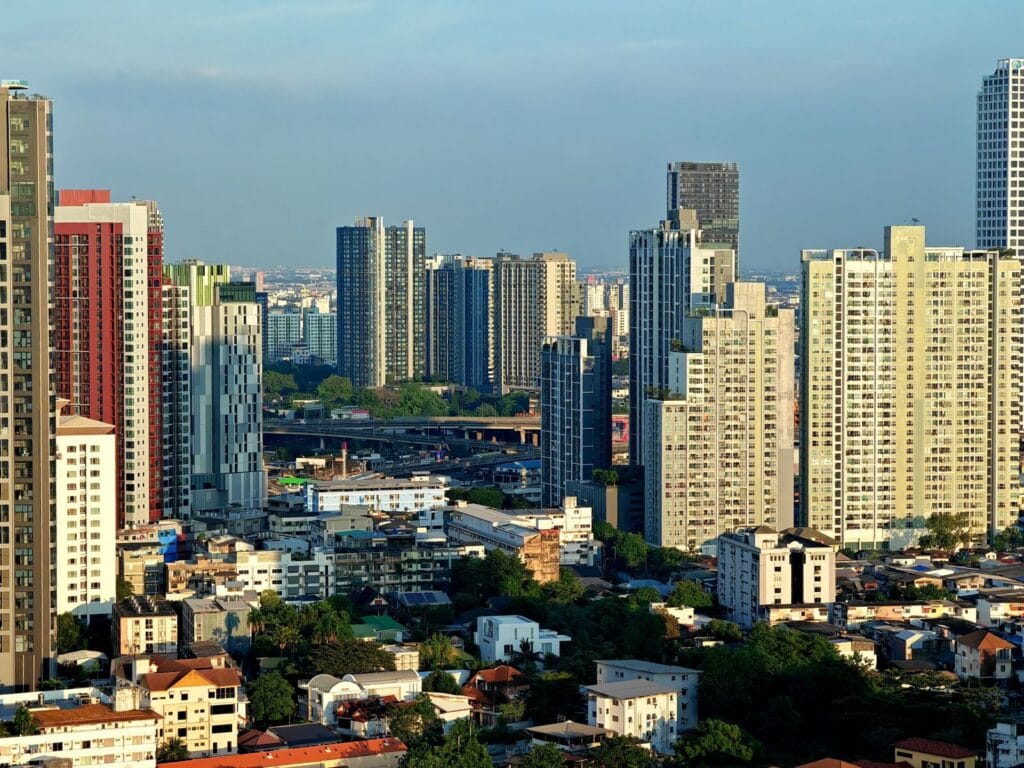
When moving to Thailand, most expatriates choose to rent. The property market offers a surplus of high-quality condominiums for long-term leases.
Landlords generally require a one-year lease and a two-month security deposit. Properties are typically rented fully furnished, simplifying your move. However, you will be responsible for paying your own internet and utility bills directly to the providers.
Foreigners face strict property ownership regulations. Under Thai law, non-citizens cannot own land outright. You can legally purchase a condominium unit, provided total foreign ownership within the building does not exceed 49 percent. Due to these restrictions, renting remains the most flexible option for new arrivals.
Navigating Healthcare and Health Insurance
Thailand is globally renowned for its private hospitals and highly trained, English-speaking medical staff. Facilities in Bangkok offer state-of-the-art care at prices generally lower than in the United States or Western Europe.
Healthcare is not free for expatriates. While expats working for Thai companies can access the public healthcare system through social security, most foreigners prefer private healthcare for its efficiency.
Securing international health insurance before moving to Thailand is highly recommended. Private hospitals typically require a payment guarantee before admitting you for emergency procedures.
Setting Up Banking and Finances
Opening a local bank account is a crucial step in establishing your new life. Without one, paying rent, setting up utility direct debits, and receiving a local salary becomes incredibly difficult.
Major local banks like Bangkok Bank and Kasikornbank are generally welcoming to expats. However, required documentation often varies between branches. Typically, you need your passport, a valid long-term visa, proof of a local address, and your work permit if applicable.
When transferring savings from abroad, be mindful of exchange rates and transfer fees, which add up quickly during relocation.
Adapting to Thai Culture and Customs
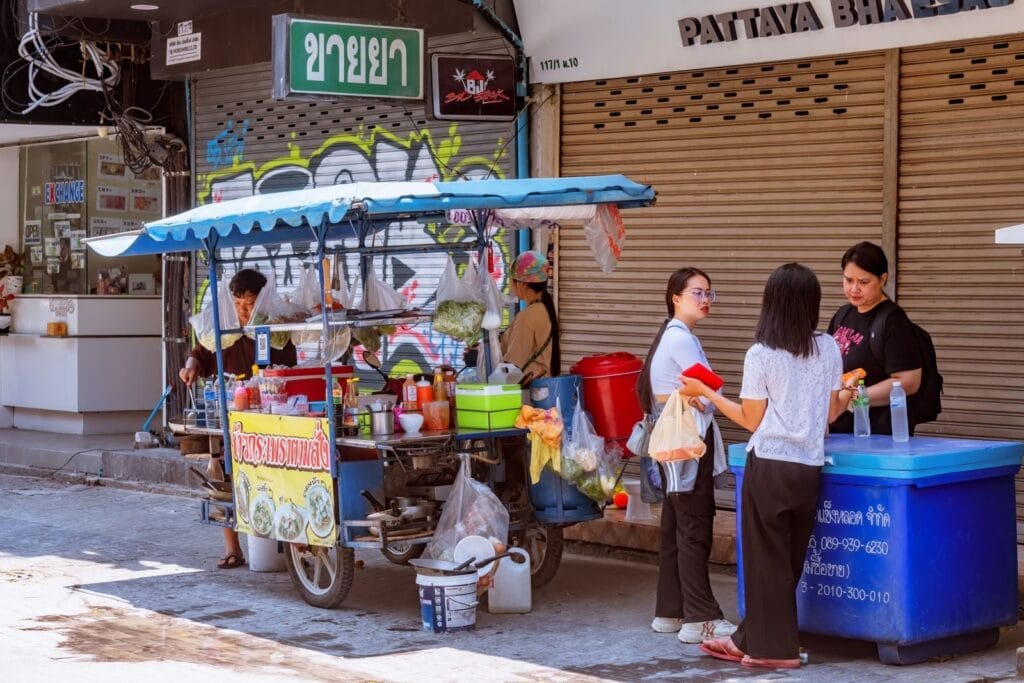
Moving to Thailand involves a significant cultural adjustment. Known as the “Land of Smiles,” Thailand places a high value on respect, harmony, and avoiding public confrontation. Raising your voice or showing anger in public causes a “loss of face” and is highly frowned upon.
Respect for the Thai Royal Family is deeply ingrained in the culture and protected by strict laws; any disrespect toward the monarchy is a serious criminal offense. Additionally, Buddhism plays a central role in daily life. You must dress modestly when visiting temples, always remove your shoes before entering someone’s home, and never touch a Thai person on the head, as it is considered the most sacred part of the body.
Conclusion
Moving to Thailand offers an unparalleled opportunity to experience a rich culture, enjoy a lower cost of living, and embrace a vibrant expatriate community. By thoroughly researching your visa options, budgeting realistically for your lifestyle, and respecting local customs, you can ensure a smooth transition. While the bureaucratic hurdles and logistical challenges of relocating may seem intimidating at first, proper preparation allows you to fully enjoy the incredible rewards of your new life abroad.